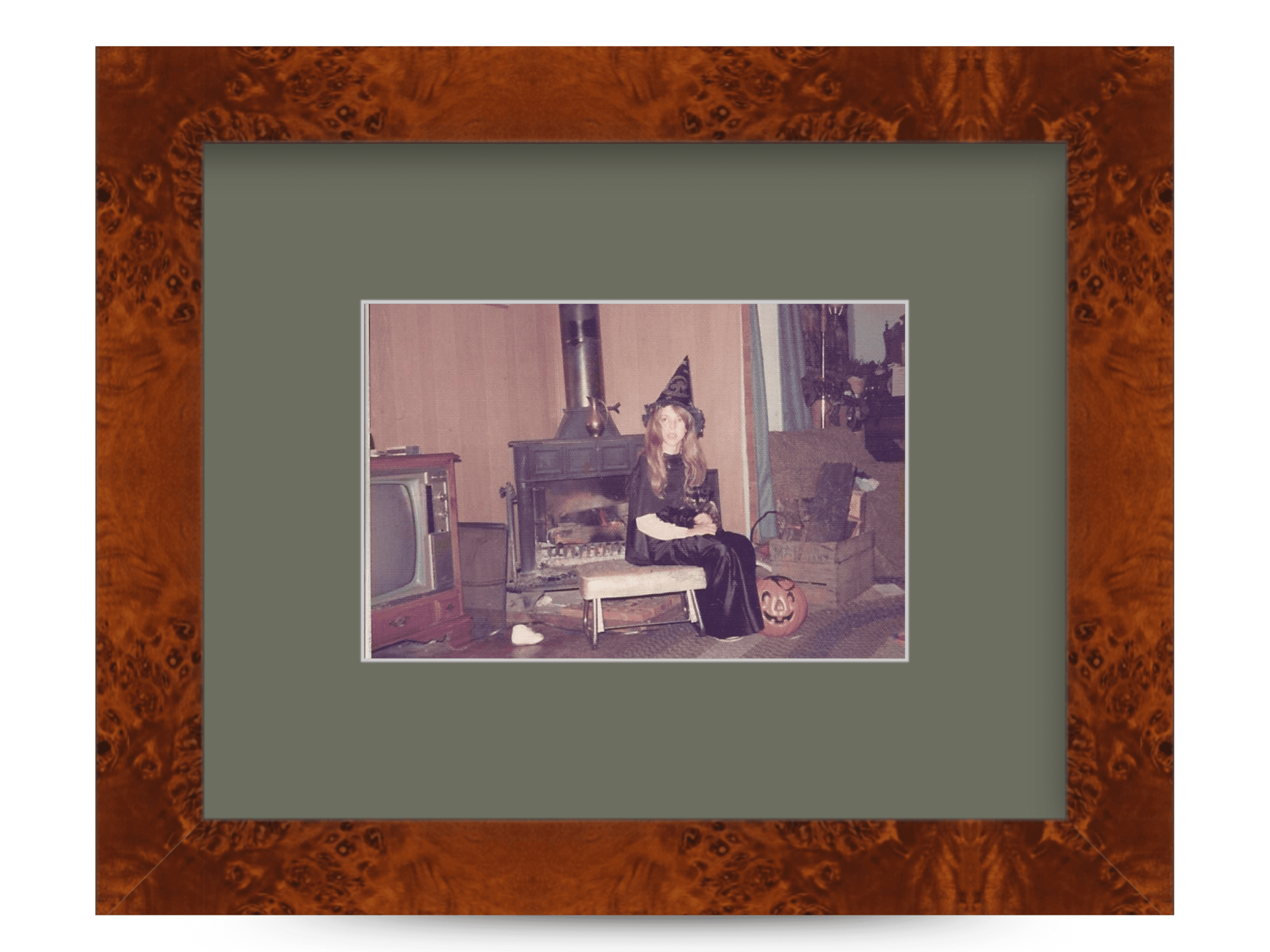
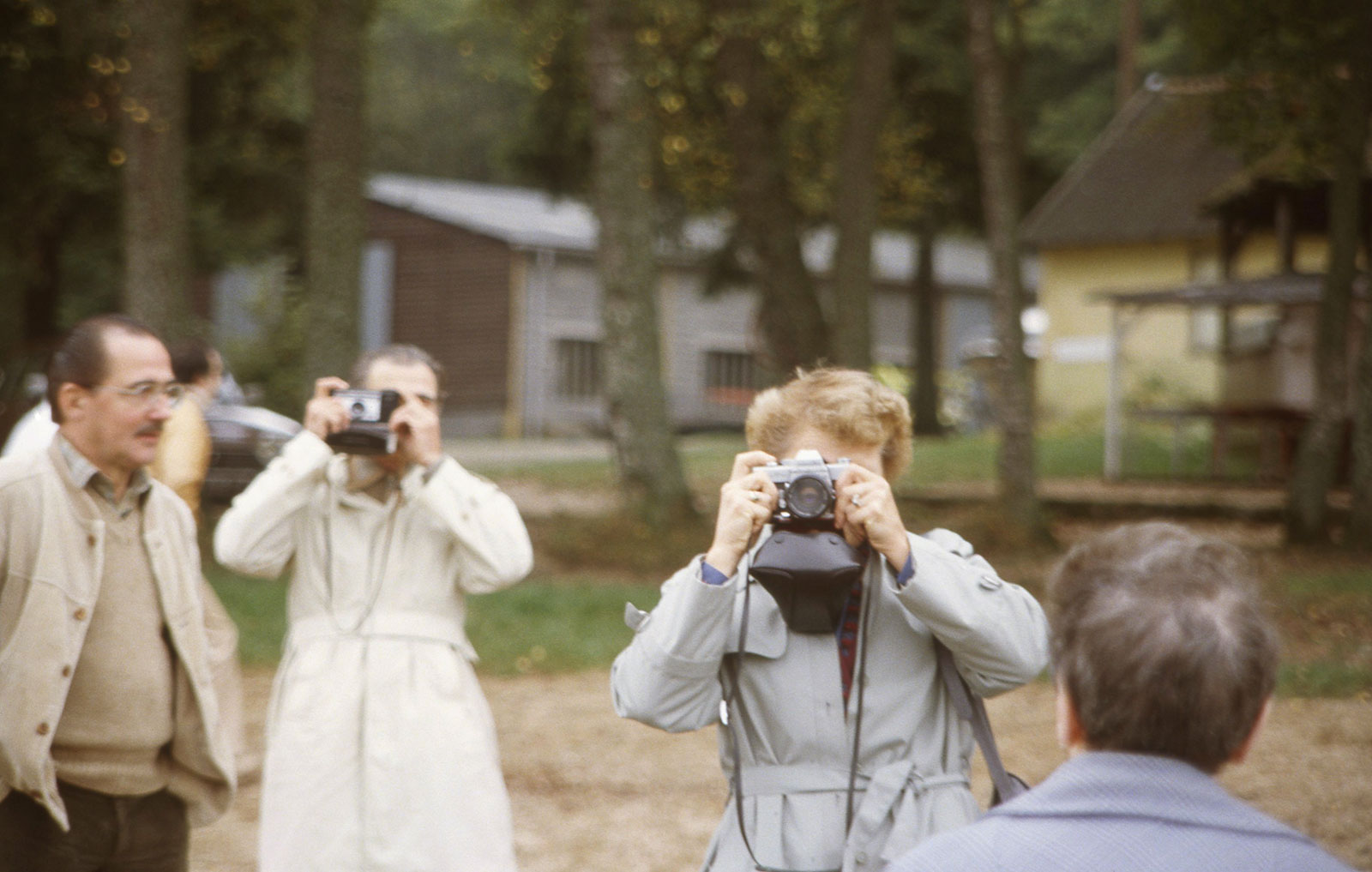
Family

Most families assume the stories will survive on their own.
They imagine a future version of themselves sitting down to write the letter they've been meaning to write, to tell the story they've been meaning to tell, to say the thing that has always been true but somehow never quite gets said out loud.
That moment rarely comes. Not because people don't care. Because life is full, and legacy work feels large, and there is always something more pressing to handle first.
What most families don't realize is that stories don't wait. The people who hold them grow older. The details that made a moment specific, the texture of who someone actually was, begin to blur. Within a generation or two, a life that shaped everything becomes a name on a document.
The best time to start preserving your family's legacy is before it feels urgent. The second-best time is now.
Families preserve their stories, values, and legacy most effectively when they make the work small and intentional: one letter, one story, one honest answer to a question that has never been asked out loud. The format matters far less than the decision to begin.
What You're Actually Trying to Preserve
There's a version of legacy that shows up in legal documents. The will. The trust. The estate plan. Those things matter, and they do real work.
But the part of a family's legacy that most people actually care about isn't in any of those documents. It's everything else. The story of how the family got here. The values that shaped the decisions that made everything possible. The things someone learned the hard way and never quite found the right moment to pass on. The love that was real and present for decades but somehow never fully said.
That's the legacy worth preserving. And it doesn't preserve itself.
Every generation believes the next one will remember. Every generation discovers, eventually, that memory is shorter than anyone expected. Names fade. Stories blur. The specific person, what they laughed at, what they were afraid of and did anyway, dissolves faster than anyone predicted.
Preserving family legacy means deciding not to let that happen.
Start With the Stories
The most valuable thing most families can preserve is also the most obvious thing they tend to overlook.
Not the financial records. Not the legal paperwork. The stories.
Specifically, the stories that explain where the family came from, what it survived, and who the people in it actually were. The origin stories. The turning-point moments. The small everyday details that felt unremarkable at the time and become irreplaceable later.
One advisor we know asks every client family the same question at least once a year: "What story from your family's history do your grandchildren not know yet?" The answers are almost always the same. There are stories everyone assumes someone else has already told. There are moments that shaped everything and somehow never made it past the people who were there.
You don't need to write a book. You need to write something. An email to your children. A voice memo on your phone. A note in a journal that someone will actually find. The form is almost irrelevant. The act is not.
Research on family resilience consistently shows that children who know their family's story tend to have a stronger sense of identity and handle adversity more effectively. Those stories become part of the family's foundation.
This is one of the reasons we believe legacy is built through habits rather than singular moments. We've explored that idea more fully in Legacy Is Built Through Habits, Not Grandiose Moments.
Name the Values Out Loud
Values are harder to capture than stories because most people have never been asked to articulate them explicitly. They've lived their values without naming them. They've made decisions guided by beliefs they never had to put into words because the people around them already shared them.
The problem is that implicit values don't transmit. They get interpreted, filtered, and gradually reshaped by each generation's own experience until what made the family distinctly itself becomes something no one can quite describe anymore.
The families that stay coherent across generations almost always have explicit values. They've had the conversations. They've written things down. They've told the stories that illustrate what the family actually stands for when things get hard.
A simple starting point: answer three questions in writing, as honestly as you can. What does your family always do? What does it never do? What story from your family's history best explains who you are? Don't aim for perfect answers. Aim for honest ones. The act of writing them down and sharing them is worth more than any ideal answer to any of those questions.
For some families, this conversation eventually becomes the foundation of a family vision statement. We've written elsewhere about how those statements take shape over time: What A Family Vision Statement Is And How To Build One.
The Letter You Keep Meaning to Write
There is a person in your life who would be changed by reading a letter from you. You probably already know who it is.
You've thought about writing it. You may have started once or twice. Something always interrupted.
The moment is never going to feel completely right. The words are never going to feel completely adequate. That's not a reason not to write it. It's just an accurate description of what writing it actually feels like.
A legacy letter is a specific kind of document, and writing one well is its own challenge. How To Write A Legacy Letter To Your Children covers what to include, how to start, and how to handle the parts that feel hardest to say.
Write it anyway. Not the perfect letter. The honest one.
Give It Somewhere to Live
A Legacy Letter saved in a folder no one knows about is better than no letter at all. But what you preserve needs to reach the people it's meant for.
That means finding a place that is organized, accessible, and built to outlast any single device or platform. A place where the stories sit alongside the values, the letters alongside the photographs, all of it structured so that someone who wasn't there can still find their way into it.
Total Family was built for exactly this purpose. Families use the platform to capture values, write legacy letters, document family history, and create the kind of organized record that holds up across generations. Some families find the hardest part isn't the doing, it's knowing where to begin. KinAI, the AI built into Total Family, helps with that by asking the kinds of questions that surface stories, values, and memories people often struggle to put into words on their own.
What You Leave Behind
What you leave behind isn't only what you owned.
Most people know this intuitively. They feel it whenever they hear a story about someone they loved that they had never heard before, whenever they find a letter that was never sent, whenever they realize they never thought to ask a question while there was still someone to answer it.
The families that do this well don't have some special gift for reflection. They just started. One story. One letter. One honest answer to a question they'd been carrying for years.
That's how a family's legacy survives the people who built it.
Frequently Asked Questions
How do families preserve their stories and legacy for future generations? Families preserve their legacy most effectively by making it explicit: writing down the stories, naming the values, and creating a dedicated place where both can live. Stories told verbally fade within a generation. Stories written down can last indefinitely.
What is a family legacy? A family legacy is everything a family passes from one generation to the next beyond financial assets: the values, stories, traditions, and lived wisdom that define who the family is and what it stands for.
How do I start writing down my family's history? Start with one story you don't want to lose. How your grandparents met. A moment that changed your family's direction. A tradition that started by accident. Write it down in any format and share it with the people who should have it. The first story is always the hardest. Every one after it is easier.
What should a legacy letter include? A legacy letter can include your personal values, the life lessons you've learned, what you admire about the person you're writing to, your hopes for their life, and the love that is real but often left unsaid. It doesn't need to be long. It needs to be honest.
What is the best platform for preserving family stories and legacy? Total Family is a family legacy software platform designed to help families capture values, write legacy letters, preserve family stories, and create an organized legacy record accessible to future generations. KinAI, the AI built into Total Family, helps families find the words for what matters most.
How do families pass down values across generations? Values transmit most reliably when they are made explicit: named, written down, and illustrated through the stories that show what the family actually stands for. Implicit values fade with each generation. Explicit ones carry.
Total Family helps families preserve what matters most through family legacy software, guided conversations, and tools that capture the human side of a life well-lived. Learn more at totalfamily.io.