
5 Principles of Legacy
5 Principles of Legacy
5 Principles of Legacy
Legacy is deeply personal, widely misunderstood, and often postponed. These principles exist to bring clarity to work that matters, but rarely fits neatly into a spreadsheet or checklist.
Legacy is deeply personal, widely misunderstood, and often postponed. These principles exist to bring clarity to work that matters, but rarely fits neatly into a spreadsheet or checklist.
PRINCIPLE 1
Legacy Is for Everyone
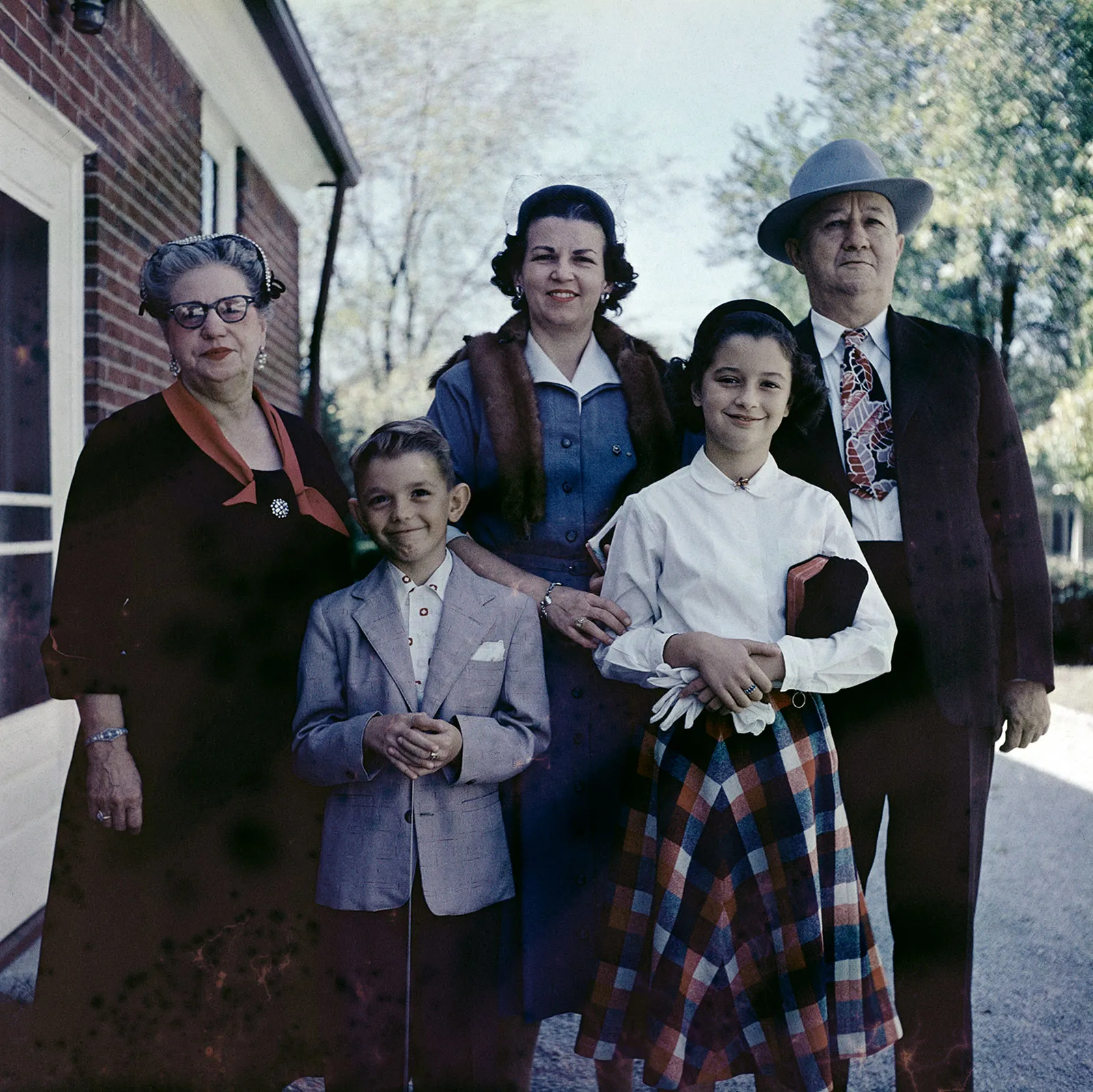
Every family is already shaping what gets carried forward, whether they are intentional about it or not.
Once you realize that legacy is simply what gets carried forward, it becomes obvious that legacy applies to everyone.
Money is only one part of what survives us. Skills, character, values, experience, knowledge, stories, and family history all get passed on in some form.
Every family does this, regardless of their financial situation. Our favorite analogy comes from David York, author of Entrusted. He explains that our job is not to give the next generation our fire, because that fire will eventually go out. Our job is to help them learn how to build their own. That means passing on judgment, resilience, context, and perspective, not just resources. This applies to ultra-high-net-worth families, high-net-worth families, and families with far fewer financial resources. The non-financial aspects of legacy are universal, and in many cases, they matter most.
David York discusses this idea in more depth on The Visionary Advisor Podcast:
Every family is already shaping what gets carried forward, whether they are intentional about it or not.
PRINCIPLE 1
Legacy Is for Everyone
Every family is already shaping what gets carried forward, whether they are intentional about it or not.
Once you realize that legacy is simply what gets carried forward, it becomes obvious that legacy applies to everyone.
Money is only one part of what survives us. Skills, character, values, experience, knowledge, stories, and family history all get passed on in some form.
Every family does this, regardless of their financial situation. Our favorite analogy comes from David York, author of Entrusted. He explains that our job is not to give the next generation our fire, because that fire will eventually go out. Our job is to help them learn how to build their own. That means passing on judgment, resilience, context, and perspective, not just resources. This applies to ultra-high-net-worth families, high-net-worth families, and families with far fewer financial resources. The non-financial aspects of legacy are universal, and in many cases, they matter most.
David York discusses this idea in more depth on The Visionary Advisor Podcast:
Every family is already shaping what gets carried forward, whether they are intentional about it or not.
Principle 2
Legacy Goes Beyond Financial Capital

Financial planning alone is necessary, but never sufficient, for legacy work.
Jay Hughes has been one of the most influential voices in this space for decades. His framing is simple and powerful. When a family understands that its wealth is its well-being, everything changes.
We strongly agree.
Financial capital matters. Estate planning matters. Structures matter. But legacy is about much more than money. It includes relationships, identity, decision-making, shared values, and how families prepare future generations to live meaningful lives.
When advisors or families reduce legacy to documents or dollars, they miss the human work underneath it.
Jay Hughes expands on this idea in his appearance on The Visionary Advisor Podcast:
This principle shows up repeatedly in the most respected frameworks in the field, including the Five Forms of Family Capital and the Ten Domains of Family Wealth. Each reinforces the same truth: money is only one input into long-term family success.
Every family is already shaping what gets carried forward, whether they are intentional about it or not.
Principle 2
Legacy Goes Beyond Financial Capital
Financial planning alone is necessary, but never sufficient, for legacy work.
Jay Hughes has been one of the most influential voices in this space for decades. His framing is simple and powerful. When a family understands that its wealth is its well-being, everything changes.
We strongly agree.
Financial capital matters. Estate planning matters. Structures matter. But legacy is about much more than money. It includes relationships, identity, decision-making, shared values, and how families prepare future generations to live meaningful lives.
When advisors or families reduce legacy to documents or dollars, they miss the human work underneath it.
Jay Hughes expands on this idea in his appearance on The Visionary Advisor Podcast:
This principle shows up repeatedly in the most respected frameworks in the field, including the Five Forms of Family Capital and the Ten Domains of Family Wealth. Each reinforces the same truth: money is only one input into long-term family success.
Every family is already shaping what gets carried forward, whether they are intentional about it or not.
Principle 3
Legacy Is Built Over Time
Legacy work cannot be postponed to the end of life or treated as a one-time exercise.
Many people think of legacy as something that happens after wealth is created, after a business is sold, or near the end of life.
Robert Balentine challenges that thinking directly.
In First Generation Wealth, he writes:
“We often talk with clients who think of
1) building and accumulating,
2) perhaps selling and living in luxury, then
3) thinking about legacy in tandem with their final ride off into the sunset. What we tell them is that our happiest, most fulfilled clients are those who think about legacy early on and incorporate it into their thinking and communications with loved ones and heirs all along the way.”
Legacy is iterative. It is done a little at a time, over years and decades. The best time to start is now, precisely because it is not easy and it cannot be rushed.
Robert Balentine discusses this perspective on The Visionary Advisor Podcast:
Every family is already shaping what gets carried forward, whether they are intentional about it or not.
Principle 3
Legacy Is Built Over Time
Legacy work cannot be postponed to the end of life or treated as a one-time exercise.
Many people think of legacy as something that happens after wealth is created, after a business is sold, or near the end of life.
Robert Balentine challenges that thinking directly.
In First Generation Wealth, he writes:
“We often talk with clients who think of
1) building and accumulating,
2) perhaps selling and living in luxury, then
3) thinking about legacy in tandem with their final ride off into the sunset. What we tell them is that our happiest, most fulfilled clients are those who think about legacy early on and incorporate it into their thinking and communications with loved ones and heirs all along the way.”
Legacy is iterative. It is done a little at a time, over years and decades. The best time to start is now, precisely because it is not easy and it cannot be rushed.
Robert Balentine discusses this perspective on The Visionary Advisor Podcast:
Every family is already shaping what gets carried forward, whether they are intentional about it or not.
Principle 4
Legacy Has to Work in Real Life

Legacy efforts must fit into real lives and still hold up across time and generations.
If legacy work requires a massive lift, perfect conditions, or unrealistic time commitments, most families will never do it.
That is not a failure of families. It is a failure of the approach.
Legacy has to be practical. It has to fit into busy lives. And it has to be durable, meaning it can stand the test of time, life changes, and generational transitions.
This is one of the main reasons legacy work often stalls. People care deeply, but the work feels overwhelming, abstract, or disconnected from daily life.
Until legacy work becomes something families can actually do, not just something they admire in theory, progress will remain limited.
Practical and durable does not mean shallow. It means usable.
Every family is already shaping what gets carried forward, whether they are intentional about it or not.
Principle 4
Legacy Has to Work in Real Life
Legacy efforts must fit into real lives and still hold up across time and generations.
If legacy work requires a massive lift, perfect conditions, or unrealistic time commitments, most families will never do it.
That is not a failure of families. It is a failure of the approach.
Legacy has to be practical. It has to fit into busy lives. And it has to be durable, meaning it can stand the test of time, life changes, and generational transitions.
This is one of the main reasons legacy work often stalls. People care deeply, but the work feels overwhelming, abstract, or disconnected from daily life.
Until legacy work becomes something families can actually do, not just something they admire in theory, progress will remain limited.
Practical and durable does not mean shallow. It means usable.
Every family is already shaping what gets carried forward, whether they are intentional about it or not.
Principle 5
There Is No Single Way to Do Legacy

Families need structure and shared language, not a single prescribed path.
There is no universal definition of legacy work. That is both a strength and a weakness.
It is a strength because legacy can take many forms. Genealogy. Scrapbooking. Philanthropy. Trust structures. Family stories. Principles. Culture. Relationships. All of it matters, and all of it should be respected.
It is also a challenge.
Because legacy is so broad and amorphous, families often struggle to know where to begin. Advisors struggle to know how to guide the work. Without shared definitions or starting points, good intentions rarely turn into consistent action.
That is why frameworks exist. The Ten Domains of Family Wealth. The Five Forms of Family Capital. Family mission statements and guiding principles, like those recently discussed in The Wall Street Journal with Whitney Webb of Cresset.
Whitney Webb explores this on The Visionary Advisor Podcast
There is no one right way to do legacy. But without structure, it remains out of reach for most families.
Every family is already shaping what gets carried forward, whether they are intentional about it or not.
Principle 5
There Is No Single Way to Do Legacy
Families need structure and shared language, not a single prescribed path.
There is no universal definition of legacy work. That is both a strength and a weakness.
It is a strength because legacy can take many forms. Genealogy. Scrapbooking. Philanthropy. Trust structures. Family stories. Principles. Culture. Relationships. All of it matters, and all of it should be respected.
It is also a challenge.
Because legacy is so broad and amorphous, families often struggle to know where to begin. Advisors struggle to know how to guide the work. Without shared definitions or starting points, good intentions rarely turn into consistent action.
That is why frameworks exist. The Ten Domains of Family Wealth. The Five Forms of Family Capital. Family mission statements and guiding principles, like those recently discussed in The Wall Street Journal with Whitney Webb of Cresset.
Whitney Webb explores this on The Visionary Advisor Podcast
There is no one right way to do legacy. But without structure, it remains out of reach for most families.
Every family is already shaping what gets carried forward, whether they are intentional about it or not.

How These Principles Are Used
These principles guide how we design Total Family, how we educate advisors, and how we support families over time.
They are intentionally stable. Tactics will change. Technology will evolve. These principles will not.
Future content will explore each principle in more depth, show how they appear in real families, and explain how advisors and families can work with them in practice.
How These Principles Are Used
These principles guide how we design Total Family, how we educate advisors, and how we support families over time.
They are intentionally stable. Tactics will change. Technology will evolve. These principles will not.
Future content will explore each principle in more depth, show how they appear in real families, and explain how advisors and families can work with them in practice.
Your Questions Already Answered
Your Questions Already Answered
Your Questions Already Answered
What is Total Family?
Who do we serve?
What are Personal Vision and Family Vision, and why are they important?
Who participates in this process? Who uses the software?
But my family is wild!? And busy!
What life stage is the best fit for Total Family?
What is Total Family?
Who do we serve?
What are Personal Vision and Family Vision, and why are they important?
Who participates in this process? Who uses the software?
But my family is wild!? And busy!
What life stage is the best fit for Total Family?
Stay in the Total Family Loop
Sign up to receive insights and updates tailored to you. We respect your privacy.
Stay in the Total Family Loop
Sign up to receive insights and updates tailored to you. We respect your privacy.
Stay in the Total Family Loop
Sign up to receive insights and updates tailored to you. We respect your privacy.