Family
What do strong multigenerational families do differently?
Strong multigenerational families intentionally preserve their family story, reinforce shared values, prepare future generations for stewardship, create structures for communication and decision-making, and stay connected over time. Their success is rarely accidental. It is the result of consistent practices that strengthen both relationships and wealth across generations.
The families that thrive across generations are not extraordinary people — they are ordinary people who took their family seriously. They told the story, built the values into the way they lived, created space for every generation, and showed up consistently.
That is the practice.
And it is available to every family willing to do it.
Some families thrive across generations.
Their wealth endures. Their relationships hold. Their values transmit. The third and fourth generations carry forward something recognizable from the first: a sense of purpose, a set of beliefs, a way of engaging with wealth that reflects where they came from.
These families are not simply lucky.
They are doing something specific.
Several things, actually.
Families that sustain multigenerational wealth often focus as much on relationships, values, and identity as they do on financial assets. The practices that preserve wealth across generations are often the same practices that preserve family unity.
They Tell the Story
The founding story is the most important asset a multigenerational family possesses.
Strong families tell it.
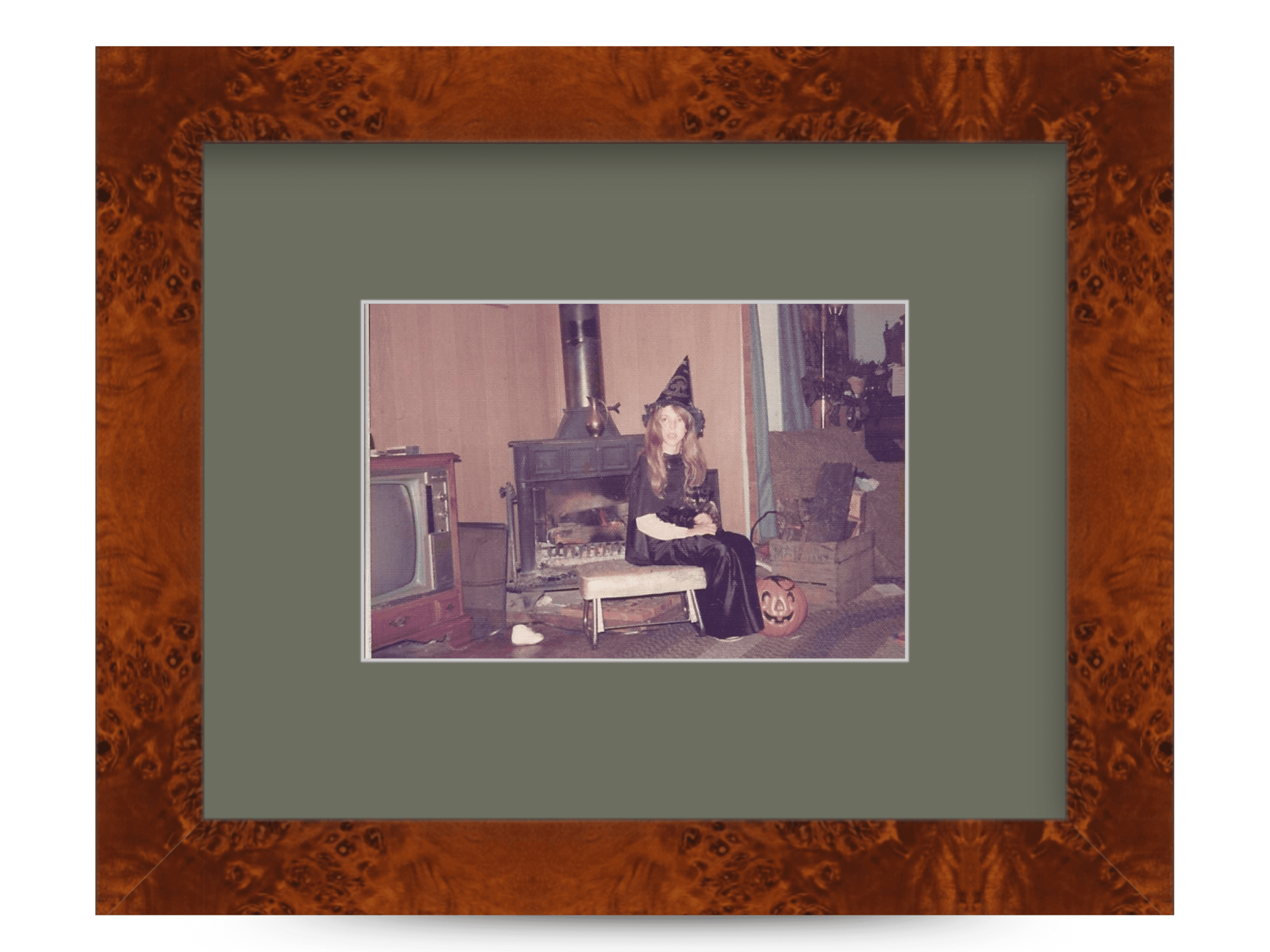
They tell it at dinner tables and in family meetings. They tell it to grandchildren who are old enough to understand and to grandchildren who are not quite old enough but are absorbing it anyway.
They preserve it in writing, in letters, in family history documentation that will exist long after the people who lived the story have gone.
They understand that a family without a story is a family without an identity.
And a family without an identity does not hold together across generations.
Family history documentation is one of the most effective ways to preserve that identity. Stories give future generations context for the wealth they inherit and help them understand what the family stands for beyond financial success.
The story is not always triumphant.
The honest version includes the difficulty, the sacrifice, the decisions that could have gone the other way.
The honest version is the one worth telling — because it is the one children can actually learn from.
They Treat Values as Infrastructure
Strong families treat their values not as inspiration but as infrastructure.
They are specific about what they believe.
"We work hard" is refined into "we show up, we follow through, and we do not wait for circumstances to improve before we act."
The specificity is what makes the value actionable.
They build the values into the family's governance and giving structures.
The philanthropic strategy reflects what the family actually believes.
The decisions about inheritance reflect the family's convictions about preparation and earned responsibility.
And they revisit the values regularly — not as a compliance exercise but as a genuine check.
Are we living what we say we stand for?
Where have we drifted?
What needs to be recommitted to?
Family culture preservation, for these families, is not a project.
It is a practice.
They Create Space for Every Generation
The families that hold together across generations are not dominated by a single voice.
They create structured space for every generation to contribute — to share their perspective, raise their concerns, and participate in the decisions that affect the family as a whole.
The family council, the family meeting, the regular forum for collective decision-making: these are not bureaucratic impositions.
They are the mechanism through which the family remains a family — a coherent entity with shared purpose rather than a collection of individuals who happen to share a last name and a balance sheet.
Every generation needs to feel that it belongs to the family's story, not just that it inherited it.
The families that create that belonging are the ones that hold together.
They Invest in Preparation
Strong families prepare the next generation deliberately.
Not just by explaining the financial structures — by ensuring that the next generation develops the values, the capabilities, and the sense of identity required to steward what they will receive.
They create opportunities for real financial experience before the transfer.
They include the rising generation in appropriate conversations and decisions.
They treat the preparation of heirs as one of the most important investments the family can make.
And they are honest about the complexities.
The heirs in strong families are not shielded from the responsibility that comes with wealth.
They are equipped for it.
Next-generation stewardship is treated as something to be prepared for, not assumed to arrive automatically.
They Stay Connected
Multigenerational families that hold together are families that find reasons to be together.
Not just at crisis moments.
Not just at holidays.
Regularly.
Deliberately.
In ways that are genuinely meaningful rather than obligatory.
The annual family meeting.
The shared philanthropic project.
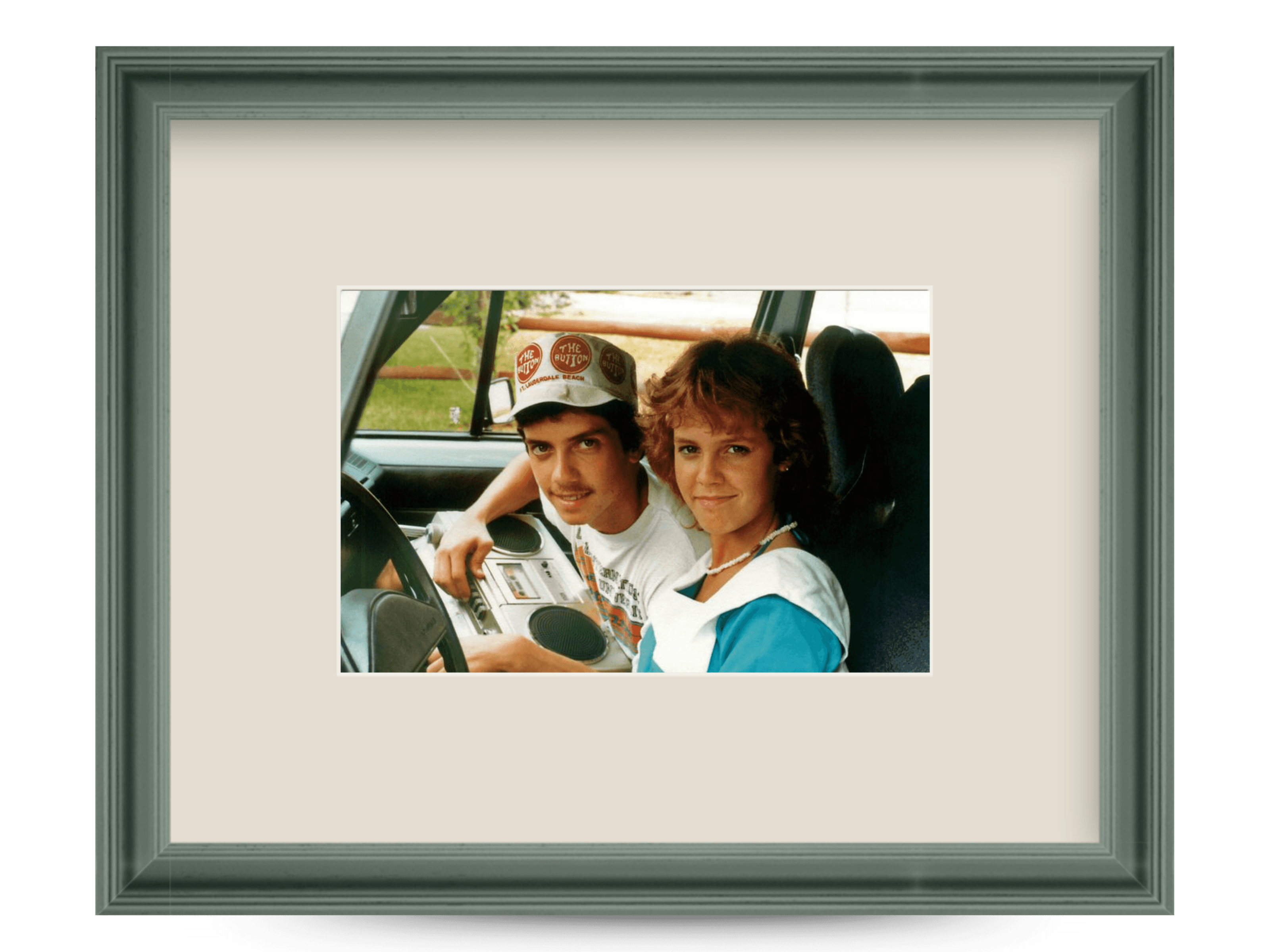
The trip that becomes part of the family's story.
The practice of gathering that says, without words, that being a family is worth the time and energy it requires.
Connection is not automatic in families of any size.
In multigenerational families with significant wealth, the centrifugal forces — geographic dispersion, individual careers, divergent life circumstances — are powerful.
Connection requires intention, structure, and the repeated decision to prioritize it.
The Role of a Family Operating System
What strong families have — whether they call it this or not — is something like a family operating system: a collection of habits, conversations, structures, and shared commitments that help the family function intentionally across generations.
It includes how they tell their story, how they make decisions, how they prepare the next generation, and how they stay connected as life changes.
Some families build these systems informally.
Others use dedicated frameworks, advisors, or technology to support them.
The important point is not the tool.
It is the consistency.
Strong families create structures that make their values visible and their relationships durable over time.
This is one of the challenges Total Family helps families address: turning important conversations into repeatable practices that survive beyond any one generation.
What Makes the Difference
Multigenerational wealth is sustained when families intentionally preserve their values, stories, relationships, and stewardship practices alongside their financial assets.
Wealth rarely survives by itself.
Families help it survive.
The families that endure across generations are not extraordinary in the conventional sense.
They are ordinary people who took their family seriously — who treated the transmission of values and the preservation of relationships as work worth doing, consistently and across time.
That work is available to every family.
Not just the ones with the largest balance sheets.
But the ones willing to do what strong families do: tell the story, build the values, include every generation, and stay connected.
Legacy is ongoing, not one-time.
The families that understand this are the ones that produce something worth inheriting.