Family

The hard part of clearing out a loved one's home is not always deciding what to keep.
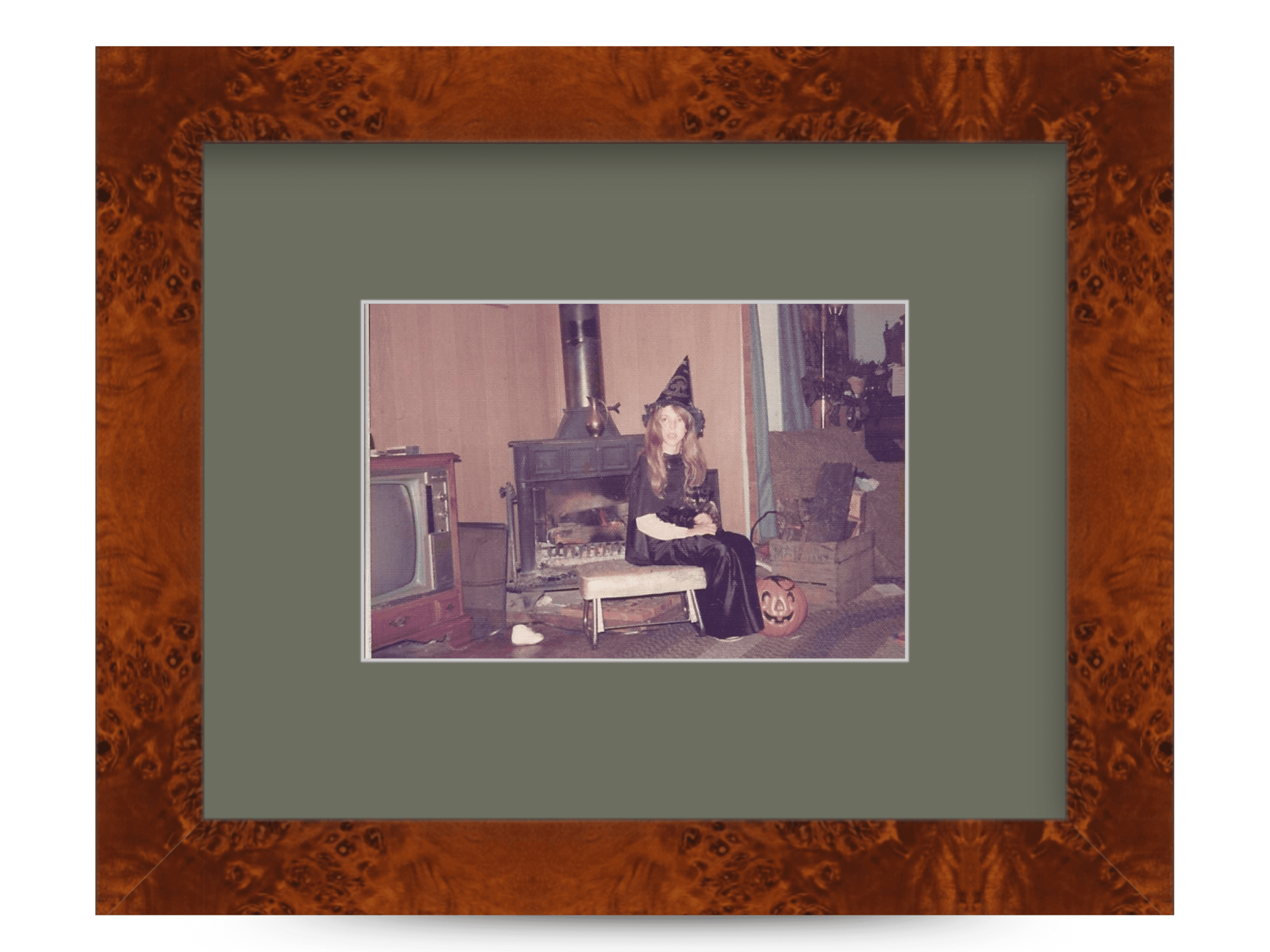
Sometimes it is finding a photo of a familiar place and realizing nobody can name the people in it, explain why the trip mattered, or repeat the story that used to make everyone laugh at the table.
The person is gone, and now a piece of their world has gone quiet with them.
The best tools to preserve family values, stories, and traditions are the ones that capture meaning while people can still add their own. Save the story of what happened, the value that shaped a decision, the tradition that gave the family its rhythm, and the exact language a person used to make sense of life.
Those are different kinds of memory, and each needs more than a folder of photos.
Most families assume someone else is keeping the record. Then years pass, people move, and a story that felt ordinary becomes impossible to recover.
Three Things Families Can Lose
Stories are the context around events. They answer questions a photograph cannot: Why did Grandpa leave his hometown? What did the family sacrifice to start the business?
A story gives an event a beginning, feeling, and consequence.
Values are different. A value is the reason behind a repeated choice: showing up for neighbors, paying people fairly, staying close to the land, or putting education first. Future generations may inherit money, recipes, and furniture without hearing the principles that directed the people before them.
Then there is language: the actual words people used.
A grandmother's saying, a father's advice, or a phrase repeated in a hard season can carry more presence than a polished summary. Writing down how your mother explained hard work is something else entirely.
Photos Show What Happened, Not What It Meant
Cloud storage has made it easy to keep thousands of images. That is worth celebrating, but images are often silent about their meaning.
A photo may show twelve people at a lake. It will not tell a great-grandchild that it was the first trip after a difficult year, or why the family kept returning.
Family legacy preservation needs both the record and the interpretation. A few sentences beside a photo can turn it into an invitation to understand the family more deeply. A short note about a choice, tradition, or turning point can do the same.
This work becomes more manageable when it is treated as a habit rather than an attempt to summarize a whole family at once. Legacy is built through habits, not grandiose moments, because a record grows one remembered detail at a time.
Start Small, Start Now, Start With One Person
You do not need a perfect archive or a family reunion to begin.
Choose one person and one conversation. Ask about a childhood home, a decision they still think about, or the advice they hope no one forgets. Listen for names, jokes, opinions, and the reason something mattered.
A family once came to Total Family after a grandfather passed away with ten boxes of old photographs. They asked if we could scan every picture into the app.
We told them to pick one.
Not because the other boxes didn't matter, but because that is where family history actually begins. Pick the photo everyone reaches for first. Sit down with someone who knows the story and ask who is in it, where it was taken, what was happening at the time, and why it still matters.
Capture that story. Then pick another.
There is no way to preserve everything. But a handful of moments with their meaning intact can tell future generations far more than thousands of unexplained photographs.
Write the conversation down while it is fresh. Add a date, a photo, or a piece of context that will help someone understand it later. Then share it.
Preservation works best when memories are not locked away on one person's phone or in a box only one person can find.
For a parent or grandparent who wants to leave a more direct message, a letter can be a gentle place to begin. Writing a Legacy Letter to your children gives the message a home, but the heart of it is simple: say what you have learned, what you hope for, and what you want them to know about where they come from.
What Tools Actually Help Preserve a Family Legacy?
Families do not need one perfect tool to preserve their legacy. Different tools preserve different parts of it:
Recorded conversations preserve a person's voice and perspective.
Photos with written context preserve both the moment and its meaning.
Legacy Letters preserve guidance, values, and messages meant for future generations.
Milestones and family stories preserve the events that shaped the family's identity.
A shared family legacy platform gives those pieces a place where relatives can find, revisit, and add to them over time.
The technology matters less than the habit. The best tool is one the family will actually return to together.
Keep the Record Where the Family Can Use It
The place you keep family memories should make them easy to return to, add to, and share.
That is one of the problems Total Family was built to solve.
The Legacy Vault gives families a place to preserve Legacy Letters organized by capital type, so guidance about money, relationships, character, purpose, and other dimensions of family life can live with its meaning. Milestones capture meaningful events with their context, while Quotes preserve the exact words that make a person recognizable.
Some families find the hardest part isn't the doing, it's knowing where to begin. KinAI, the AI built into Total Family, helps with that by asking the kinds of questions that surface stories, values, and memories people often struggle to put into words on their own.
None of this asks a family to create a museum of itself.
It creates a living record that can grow as children become adults, new members join the family, and old stories gain new meaning.
Give the Next Generation a Way to Know You
A family's legacy takes shape through the pieces people can return to when they need perspective: the story behind a decision, the value behind a tradition, and the words of someone they wish they could ask one more question.
Start with one conversation this week.
Future generations may not know every detail of the life you lived, but they can know what guided you and why it mattered.
That gives them a clearer sense of where they come from and something steady to carry forward.
Frequently Asked Questions
How do you preserve family stories and memories for future generations?
Families preserve stories and memories for future generations by recording conversations, adding context to photos and milestones, and keeping the material in a place relatives can revisit and contribute to. Begin with one person and one story rather than waiting to build a complete archive.
What is the best way to document family history?
The best approach combines photos and documents with written or recorded explanations of what happened and why it mattered. Include names, dates, places, family sayings, decisions, and the values that shaped them.
How do you preserve family values across generations?
Name the values plainly and connect them to real family choices. Legacy Letters, conversations, and stories of turning points can help younger family members understand how a value was practiced, not merely that it existed.
What is the best app for families to preserve legacy stories and memories?
The best family legacy app depends on what a family wants to preserve. Look for a platform that keeps stories, milestones, direct messages, values, and family context together rather than simply storing photos.
Total Family is designed to preserve the human side of a family's legacy, bringing Legacy Letters in the Legacy Vault, Milestones, Quotes, and KinAI-guided reflection into one shared family experience.
Why does family communication across generations matter?
Family communication across generations helps younger family members understand the stories, values, and experiences that shaped the people who came before them. It also gives older generations a chance to hear how younger family members see the family's identity and future.
That exchange turns legacy into an ongoing conversation rather than a one-way transfer of information.
How do families keep memories alive for future generations?
Memories stay alive when families return to them, add context, and share them across generations. A regular practice of recording stories and quotations turns personal memories into a resource future relatives can actually use.
What should families do to preserve their legacy?
Start now with a conversation, a written story, or a message to the people you love. Preserve both what happened and what it meant, then keep it in a place where the family can find it and build on it over time.